




Description
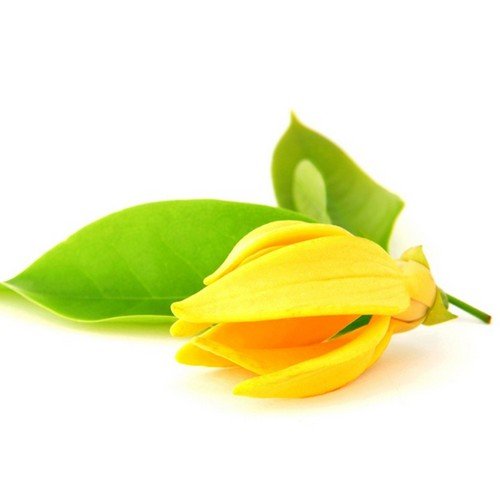
Ylang Ylang is one of the most distinctive natural floral materials used in fine perfumery, obtained from the intensely fragrant flowers of Cananga odorata. This French-supplied material offers the characteristic richness for which Ylang Ylang is prized: an opulent floral profile combining creamy sweetness, exotic white-floral depth, soft fruitiness, and warm balsamic undertones.
Its scent is rich, intensely floral, creamy, sweet, warm, and exotic. The opening reveals a lush floral character reminiscent of jasmine and other tropical white flowers, followed by distinctive softly fruity and banana-like nuances, gentle spice, and an almost custard-like creaminess. Deeper in the profile, subtle balsamic, woody, and slightly green facets provide complexity and prevent the material from becoming simply sweet.
One of the most remarkable qualities of Ylang Ylang is the amount of volume and texture it can bring to a floral composition. It does not merely add another flower; it can make the entire floral heart feel richer, fuller, creamier, and more sensual, which explains its importance in both classical and contemporary fine fragrance.
Ylang Ylang is obtained by distillation of the fresh flowers, and the distillation process is particularly important because different fractions can be collected over time. This gives rise to commercial grades such as Extra, I, II, and III, as well as Ylang Ylang Complete. Earlier fractions tend to emphasize brighter, sweeter, and more volatile floral facets, while later fractions become progressively warmer, heavier, woodier, and more balsamic. The exact grade is therefore important when evaluating the olfactory character of a particular Ylang Ylang material.
From a functional perspective, Ylang Ylang is primarily an excellent Heart material, while its richness and smoothness also allow it to perform as a Blender. It can connect bright floral and citrus elements with deeper woody, amber, balsamic, vanilla, and musky structures, giving the fragrance a smoother and more continuous development.
It is particularly valuable in white-floral, floral, amber, chypre, tropical, creamy, exotic, and solar compositions. It blends beautifully with jasmine, tuberose, orange blossom, rose, gardenia, bergamot and other citrus materials, sandalwood, patchouli, vetiver, benzoin, vanilla, spices, and musks.
With jasmine and tuberose, it reinforces floral opulence and adds creamy volume. With sandalwood, vanilla, and benzoin, it develops a luxurious warm and enveloping character. Bergamot and other citrus materials can illuminate its heavier floral facets, while patchouli and vetiver introduce contrast and structure.
The true value of Ylang Ylang lies in its ability to deliver several dimensions simultaneously: lush flowers, creamy texture, exotic sweetness, subtle fruitiness, warmth, and balsamic depth. This natural complexity makes it much more than a conventional floral note and gives the perfumer a powerful material for creating rich, sensual, and sophisticated floral hearts.
Features
- FLORAL
- SPICY
- SWEET
- GREEN
- Core
- Modifier
- Blender
Reviews
No reviews found